
Human Growth Hormone (HGH) and anabolic steroids are often grouped together in discussions around performance enhancement, muscle growth, and body composition. While they are sometimes used in similar contexts, they are fundamentally different in how they work, what they affect, and the type of results they produce.
Understanding these differences is important, particularly for those evaluating performance strategies, long-term health considerations, or alternative approaches. Although both HGH and steroids can influence physical performance, their mechanisms, timelines, and associated effects vary significantly.
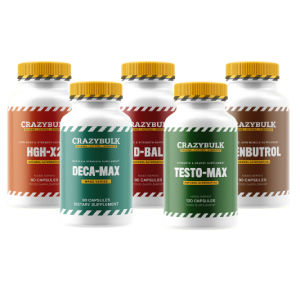
Whether you’re focused on bulking, cutting, or overall performance, explore a full range of targeted options. Built to support consistent progress without unnecessary strain.
What Is HGH?
Human Growth Hormone (HGH), also known as somatotropin, is a naturally occurring hormone produced by the pituitary gland. It plays a central role in growth, metabolism, and tissue repair.
HGH secretion follows a pulsatile pattern, with the largest releases typically occurring during deep sleep. It works both directly and indirectly through insulin-like growth factor 1 (IGF-1), which mediates many of its growth-related effects.
In practical terms, HGH is associated with:
- Regulation of fat metabolism
- Tissue repair and recovery
- Support for bone and connective tissue health
- Sleep-related recovery processes
Unlike anabolic steroids, HGH does not directly stimulate muscle growth through androgen receptors. Instead, its effects are more gradual and systemic.
What Are Anabolic Steroids?
Anabolic steroids are synthetic derivatives of testosterone designed to enhance muscle growth, strength, and performance. They work by binding to androgen receptors in muscle tissue, directly stimulating protein synthesis and muscle hypertrophy.
Because of this mechanism, steroids are often associated with:
- Rapid increases in muscle size
- Significant strength gains
- Enhanced recovery in the short term
- Increased red blood cell production (depending on compound)
However, these effects come from altering hormone levels beyond normal physiological ranges, which introduces additional considerations.
HGH vs Steroids: Key Differences
| Feature | HGH | Anabolic Steroids |
|---|---|---|
| Primary function | Growth & recovery | Muscle growth & strength |
| Mechanism | IGF-1 signaling | Androgen receptor activation |
| Muscle growth | Moderate (indirect) | High (direct) |
| Fat loss | Moderate | Variable |
| Recovery | High | Moderate |
| Speed of results | Slow | Fast |
| Hormonal suppression | No (directly) | Yes |
| Method | Injection | Oral or injection |
Muscle Growth: HGH vs Steroids
One of the most important distinctions between HGH and steroids lies in how they affect muscle development.
Steroids: Direct hypertrophy
Steroids increase muscle size by directly stimulating protein synthesis and nitrogen retention within muscle tissue. This leads to rapid hypertrophy, often within weeks of use.
Research has shown that anabolic steroids can significantly increase lean body mass and strength even without changes in training variables, although results are amplified with resistance training.
HGH: Indirect muscle support
HGH does not directly stimulate muscle growth in the same way. Instead, it enhances recovery, supports collagen synthesis, and increases IGF-1 levels, which may contribute to muscle development over time.
Studies suggest that HGH for sale may increase lean body mass, but a portion of this increase can be attributed to water retention rather than true muscle hypertrophy.
Key takeaway:
- Steroids = faster, direct muscle growth
- HGH = slower, supportive role in muscle development
Fat Loss and Metabolism
Both HGH and steroids can influence body fat, but through different mechanisms.
HGH and fat metabolism
HGH plays a role in lipolysis — the breakdown of stored fat for energy. Research has shown that HGH can increase fat oxidation, particularly during fasting states.
This makes it more closely associated with:
- Gradual fat loss
- Improved body composition
- Long-term metabolic changes
Steroids and fat loss
Steroids are not primarily fat-burning compounds, but they can indirectly support fat loss by:
- Increasing muscle mass (raising basal metabolic rate)
- Improving training intensity
Certain compounds (e.g., Trenbolone) may influence nutrient partitioning, but this is not their primary function.
Key takeaway:
- HGH = more directly linked to fat metabolism
- Steroids = indirect fat loss through muscle and performance
Recovery and Performance
Recovery is another area where HGH and steroids differ significantly.
HGH and recovery
HGH supports tissue repair, collagen synthesis, and overall recovery processes. It is particularly associated with:
- Joint and tendon support
- Reduced recovery time
- Improved sleep quality
These effects are largely tied to its role in growth and repair mechanisms.
Steroids and recovery
Steroids improve recovery by reducing muscle breakdown and enhancing protein synthesis. This allows for:
- Increased training frequency
- Higher training volume
However, this effect is primarily muscular and does not extend as strongly to connective tissue.
Key takeaway:
- HGH = broader recovery (muscle + joints + sleep)
- Steroids = faster muscular recovery
Side Effects and Risks
Both HGH and steroids come with potential risks, though they differ in nature and severity.
Steroids: Hormonal impact
Anabolic steroids suppress natural testosterone production, which can lead to:
- Hormonal imbalance
- Reduced natural testosterone levels
- Post-cycle recovery challenges
Additional considerations may include:
- Liver strain (oral compounds)
- Cholesterol changes
- Cardiovascular risk
HGH: Metabolic considerations
HGH does not suppress testosterone directly but may influence metabolic processes, particularly at higher doses.
Potential concerns include:
- Water retention
- Joint discomfort
- Changes in insulin sensitivity
Long-term misuse may increase the risk of more serious complications, particularly when not medically supervised.
Key takeaway:
- Steroids = hormone-related risks
- HGH = metabolic and systemic considerations
Speed of Results
One of the most noticeable differences is how quickly results appear.
Steroids
Results can often be seen within weeks, particularly in terms of strength and size. This rapid feedback is one of the main reasons for their popularity.
HGH
HGH works over a much longer timeframe. Visible changes in body composition may take months, and results are closely tied to consistency.
Key takeaway:
- Steroids = fast results
- HGH = gradual transformation
Which Is Better?
There is no universal answer — it depends on goals, expectations, and how results are defined.
- For rapid muscle growth: Steroids are more effective due to their direct anabolic effects.
- For long-term recovery and body composition: HGH may be more aligned with gradual, sustainable improvements.
- For overall sustainability: Both approaches require careful consideration, and outcomes depend heavily on training, nutrition, and long-term consistency.
Can HGH and Steroids Be Combined?
In some contexts, HGH and steroids are used together due to their complementary mechanisms — one supporting recovery and metabolism, the other enhancing muscle growth.
However, this approach significantly increases complexity and potential risk, and is typically associated with advanced use cases rather than general performance strategies.
Are There Safer Alternatives?
For individuals looking to improve performance, recovery, or body composition without altering hormone levels directly, non-hormonal legal steroid alternatives provide a more practical approach.
These may include:
- Recovery-focused compounds (e.g., sleep and GH-support supplements)
- Testosterone support options
- Fat loss and performance-focused alternatives
These approaches focus on improving consistency, recovery, and training output rather than forcing rapid changes.
Final Thoughts
HGH and anabolic steroids are often discussed together, but they serve very different roles. Steroids are typically associated with rapid muscle growth and strength gains, while HGH is more closely linked to recovery, fat metabolism, and long-term body composition changes.
For many individuals, understanding these differences helps clarify expectations and highlights the importance of choosing an approach that aligns with both short-term goals and long-term sustainability.
FAQs
They involve different types of risks. HGH is not suppressive in the same way, but still affects metabolic processes.
Steroids generally produce faster and more significant muscle growth.
HGH is more directly linked to fat metabolism, though results are gradual.
Its effects develop slowly and are tied to long-term processes like recovery and metabolism.
Both require careful consideration, and results depend heavily on overall lifestyle factors.